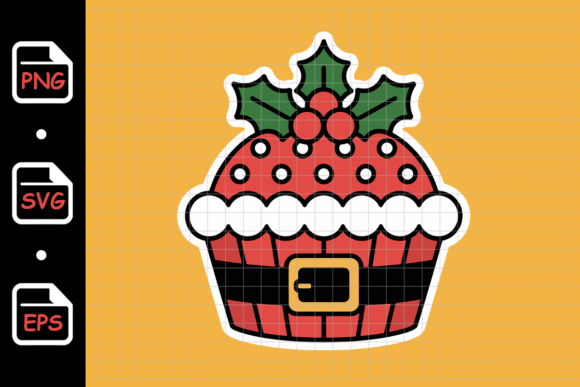
Review: Christmas Cupcake with Santa Suit Design
As an embroidery designer who has spent countless hours digitizing and testing files for client projects, I have developed a keen eye for what works in the hoop and what looks better on a screen. When I first loaded the Christmas Cupcake with Santa Suit design into my software, my immediate reaction was one of cautious optimism. It falls under the category of Illustrations, which often presents unique challenges regarding stitch density and detail retention. However, this particular piece manages to balance whimsical charm with technical feasibility, making it a strong contender for holiday collections.
First Impressions and Visual Personality
The mood this design creates is undeniably festive and sweet. It captures the essence of holiday baking without becoming overly cluttered. The layout features a cupcake adorned with a Santa suit motif, likely utilizing a combination of satin stitch for the smooth icing texture and fill stitch for the broader areas of the wrapper or background elements. From a visual personality standpoint, it feels approachable and warm. It does not scream for attention with aggressive colors but rather invites a closer look. For those of us who sell handmade products, this subtle appeal is crucial. It suggests quality and thoughtfulness, traits that buyers of personalized gifts actively seek out.
Real-World Application: The Holiday Tote Test
To truly evaluate a machine embroidery design, you must imagine it on a physical product. I recently considered using this design for a custom embroidered tote bag project aimed at local craft fair shoppers. The scenario was simple: a canvas tote featuring holiday-themed treats. The Christmas Cupcake with Santa Suit fit perfectly here. Its compact nature allows it to sit centrally on a bag without overwhelming the fabric.
When stitched on medium-weight canvas, the design held its shape well. The thread colors popped against the natural beige background, creating a high-contrast look that is essential for visibility. If you are an Etsy seller or small shop owner, consider how this design translates to sweatshirt embroidery as well. Placed on the left chest of a heather grey hoodie, it serves as a cute, understated accent rather than a loud statement. This versatility increases the perceived value of the finished product, allowing you to charge a premium for custom apparel.
Navigating Fabric and Hoop Constraints
While the design is charming, practical judgment is required when selecting materials. Because this is an illustration-style piece, it may contain finer details that require careful handling. I advise testing the design on scrap fabric first, especially if you are working with textured fabrics or stretchy materials like jersey knits. On thin fabric, the stitch density could cause puckering if not properly supported. Always use a appropriate stabilizer; a cut-away stabilizer is often safer for garments that will undergo frequent washing, while tear-away might suffice for stable home decor items like pillow covers or tea towels.
Hoop size is another critical factor. Before committing to a large production run, confirm the hoop size required by the digital embroidery file. If the design is dense, ensure your machine can handle the area without excessive thread breaks. For curved surfaces like caps, this design might need adjustment. The curvature of a cap can distort intricate details, so I would recommend using it on structured caps only, or simplifying the design if possible. Additionally, be mindful of dark fabric backgrounds. If the original colorway relies on light threads, you may need to adjust the thread colors or add an underlay to ensure the design remains visible and crisp.
Commercial Viability and Brand Consistency
For creative entrepreneurs and digital product sellers, the commercial viability of a design hinges on its ability to enhance brand consistency. The Christmas Cupcake with Santa Suit offers a cohesive look that fits well within a broader holiday collection. It pairs nicely with other bakery-themed or winter-themed motifs, allowing you to create bundled listings or themed product lines. This strategy boosts buyer engagement and encourages multiple purchases.
When used in commercial embroidery projects, such as boutique branding or corporate holiday gifts, the design exudes professionalism. It avoids the cheap, clip-art aesthetic that can plague lower-quality embroidery files. Instead, it looks intentional and crafted. This attention to detail builds customer trust. When a buyer receives a finished product that looks clean and well-executed, they are more likely to leave positive reviews and return for future purchases. For handmade shop owners, this reliability is invaluable.
Technical Notes for the Serious Stitcher
Before you begin stitching, take a moment to review the technical aspects of the file. Check the stitch density in your software’s simulation mode. Look for any areas where stitches might overlap excessively, which could lead to thread bunching. Pay special attention to small details and tiny lettering if the design includes text. These areas are prone to breaking or merging during stitching.
It is also wise to test the design in black and white mockups. This helps you understand the contrast and structure independent of color. If the design relies heavily on color gradients to define shape, it may not translate well to single-color embroidery or monochrome projects. Compare how it looks on light and dark fabric backgrounds to determine if you need to create separate color variations for your inventory.
Finally, always confirm licensing before selling finished items or digital products. While many designs come with commercial use rights, it is essential to read the specific terms provided by the creator. Ensure that the embroidery file format is compatible with your machine, whether you use PES, DST, or another proprietary format. Do not assume compatibility; verify it to avoid last-minute conversion issues that can degrade stitch quality.
Final Verdict
The Christmas Cupcake with Santa Suit is a solid addition to any holiday embroidery library. It balances aesthetic appeal with practical application, making it suitable for a wide range of projects from baby embroidery to custom apparel. By paying attention to fabric choice, stabilizer use, and hoop constraints, you can ensure a high-quality finished product that delights customers and enhances your brand’s reputation. Whether you are creating a personalized gift for a family member or stocking your online store with seasonal merchandise, this design offers the charm and reliability needed for successful embroidery projects.