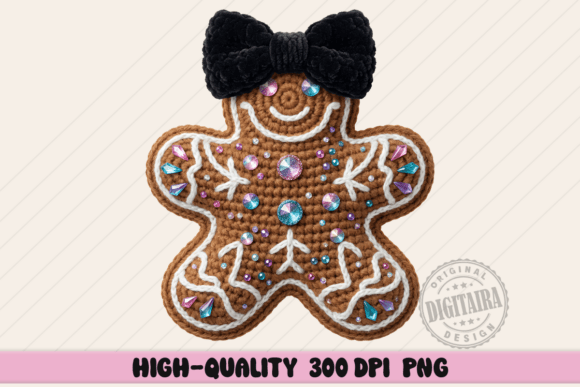
Reviewing the Yarn Christmas Gingerbread Cookie PNG
As a designer who has spent years digitizing files and testing them on everything from stiff denim to delicate baby knits, I approach every new asset with a critical eye. We are not just looking for pretty pictures; we are looking for viability. When I first opened the Yarn Christmas Gingerbread Cookie Png, my immediate reaction was one of cautious optimism. This is not just another generic holiday clipart file. It belongs to the broader category of Illustrations that aim to mimic texture, which presents both unique opportunities and specific challenges for the embroidery professional.
First Impressions: Texture and Mood
The visual personality of this design is warm, nostalgic, and tactile. The "yarn" effect suggests a cozy, handmade aesthetic that aligns perfectly with the current trend of hygge-inspired home decor and apparel. For an embroidery designer, this is significant. Customers are increasingly drawn to items that look handcrafted, even when produced via machine. The layout is balanced, with a clear focal point that draws the eye without overwhelming the surrounding negative space. However, because it is a PNG, it is a raster image. This means it lacks the vector precision of a native embroidery file. You cannot simply load this into your machine software and expect perfect stitch generation without manual intervention or conversion.
Real-World Application: The Holiday Tote Scenario
To truly evaluate this asset, I imagined a real-life project: a custom embroidered tote bag for a local boutique’s holiday gift-with-purchase campaign. The goal was to create a handmade product that felt premium yet accessible. Using the Yarn Christmas Gingerbread Cookie Png as a reference for digitizing, I considered how the yarn texture would translate into thread.
If you are using this as a base for creating a machine embroidery design, you must decide how to interpret the "yarn" strands. A direct auto-digitize often results in messy, overlapping stitches that break needles and frustrate users. Instead, I would recommend using a combination of satin stitch for the outer cookie edges to give definition, and a textured fill stitch or even a programmed running stitch pattern to mimic the woven look of the yarn interior. This approach maintains the visual appeal of the original illustration while ensuring the finished product is durable and washable.
Performance on Different Fabrics
The success of any embroidery project depends heavily on the substrate. Here is how this gingerbread motif performs across common materials:
- Cotton Canvas and Tote Bags: This is the ideal scenario. The sturdy fabric supports the density required to mimic the yarn texture. The tote bag design benefits from the bold shapes, making it visible from a distance.
- Sweatshirts and Fleece: For sweatshirt embroidery, you must be careful. The plush pile of fleece can swallow smaller details. If you use this design on a hoodie, ensure you increase the stitch length slightly to prevent puckering and use a cut-away stabilizer to support the weight of the threads.
- Dark Fabrics: The gingerbread theme usually involves browns, tans, and whites. On dark navy or black fabrics, these colors pop beautifully. However, always test your thread colors against the fabric background. A lack of contrast can make the design look muddy.
- Stretchy Knits and Baby Clothes: Exercise extreme caution here. Baby embroidery requires softness. A dense "yarn" fill can feel scratchy and stiff against sensitive skin. Consider using an applique design technique where the gingerbread shape is cut from felt or fabric, and the PNG is used only as a guide for the decorative stitching around the edges.
Design Pitfalls and Technical Considerations
While the Yarn Christmas Gingerbread Cookie Png is visually charming, it is not without its risks for the unprepared crafter. Because it simulates wrapped yarn, there are many small, overlapping lines. In a digital embroidery file, these tiny details can become problematic.
Small hoop sizes, such as 4x4 inches, may force you to shrink the design. When scaled down, the intricate "yarn" wraps can merge into a solid blob, losing the intended texture. Always check the hoop size requirements before committing to a project. Furthermore, if you are selling this as part of your craft business inventory, remember that complex textures increase stitch count. Higher stitch counts mean longer run times and higher wear on your machine needles.
For Etsy sellers and small shop owners, clarity is key. If you are offering this as a personalized gift option, ensure that any added text does not clash with the busy texture of the cookie. Keep lettering simple and placed below or above the main motif, not inside it, unless you are using a contrasting applique fabric.
Enhancing Brand Value and Customer Trust
Using high-quality references like this PNG can elevate your small shop product line. It signals to buyers that you pay attention to detail and trends. When customers see a well-executed gingerbread motif that looks like knitted yarn, they perceive higher value. This perception drives engagement and can justify a higher price point for your custom apparel or home goods.
However, professionalism comes from execution. A sloppy stitch-out of a beautiful design damages brand consistency. Always inspect small details before listing items. Use printable mockup tools to visualize how the design sits on different products before you stitch a single thread. This saves time and reduces waste, which is crucial for maintaining healthy margins in a commercial embroidery setting.
Practical Notes for the Embroidery Designer
Before you integrate this asset into your workflow, follow these steps:
- Test on Scrap Fabric: Never run a new design on final stock. Test the stitch density and tension on a similar material first.
- Check Licensing: Since this is a PNG under Illustrations, verify if you have the right to use it for commercial purposes. Most stock images require a specific license for resale items. Confirm licensing before selling finished items.
- Digitize Manually: Do not rely on auto-digitizing software for textured images. Manual editing allows you to control the direction of the stitches, mimicking the flow of yarn for a more realistic look.
- Contrast Check: View your design in black and white. If the details disappear, you need to adjust your thread choices or simplify the stitch pattern.
- Stabilizer Selection: Match your stabilizer to the fabric. Heavy designs need strong support to prevent distortion after washing.
In conclusion, the Yarn Christmas Gingerbread Cookie Png is a potent tool for the creative entrepreneur. It offers a festive, textured aesthetic that resonates with holiday shoppers. However, its value is unlocked only through skilled digitizing and thoughtful application. By respecting the technical limitations of embroidery and understanding the nuances of fabric interaction, you can transform this digital asset into a standout embroidered patch, a beloved holiday embroidery accent on a pillow, or a best-selling item in your online store. Treat it not just as an image, but as a blueprint for tactile art.